Have you ever wondered why French people greet with a kiss, refuse to start a conversation without saying bonjour, or spend hours sitting at a café with a single cup of coffee? These behaviors are not random habits. They are part of a deeply rooted cultural system shaped by centuries of history, etiquette, and social values. Understanding French traditions and customs helps you see how everyday life in France works and why certain behaviors matter so much to French people.
Learn about The French Revolution: A Complete, Human Guide To What Happened, Why It Started, And Why It Still Matters
French culture is often admired around the world for its elegance, cuisine, art, and lifestyle. Yet behind these famous aspects lies a complex set of traditions that guide how people interact, celebrate, and live their daily lives. These customs influence everything from greeting someone in the street to how meals are shared and how national holidays are celebrated.
In this guide, you will discover the traditions, social rules, and cultural habits that define life in France. By the end, you will not only understand French culture better but also appreciate the deeper values that shape it.
Why French Traditions And Customs Are So Influential
French traditions are built around a few fundamental cultural principles: respect, conversation, appreciation for beauty, and the enjoyment of everyday life. These values appear repeatedly in social behavior, public celebrations, food culture, and family life.
One reason French culture stands out globally is that many of its traditions have been preserved despite modernization. While technology and globalization have influenced daily life, cultural rituals still hold strong importance. Greeting someone politely, sitting down for a proper meal, or celebrating seasonal festivals remains an essential part of French identity.
Another factor that keeps these traditions alive is the strong connection between culture and education. From an early age, children learn social etiquette, respect for language, and appreciation for art and history. As a result, many cultural customs are passed naturally from one generation to the next.
Understanding these traditions allows you to see France not just as a country but as a cultural ecosystem where history, language, and lifestyle are deeply connected.
Greeting Customs In France
One of the most noticeable aspects of French culture is how people greet each other. Social interactions follow specific rules that emphasize politeness and recognition.
The Tradition Of La Bise
Perhaps the most iconic greeting in France is la bise, the cheek kiss. Friends, family members, and sometimes colleagues greet each other by lightly touching cheeks while making a kissing sound.
The number of kisses varies depending on the region. In some places two kisses are common, while in other areas people exchange three or even four. Although this tradition can feel surprising to visitors, it is simply a way of expressing familiarity and friendliness.
Unlike a handshake, which is often reserved for formal introductions, la bise signals a closer social relationship. Read more about Why Do French People Kiss On The Cheek?
Always Saying Bonjour First
Another essential rule in French culture is acknowledging people before starting a conversation.
When entering a shop, greeting a neighbor, or speaking to a cashier, it is customary to say bonjour before asking for anything. Skipping this greeting can come across as rude because politeness is considered a fundamental part of social interaction.
This simple habit reflects an important cultural value: recognizing the presence of others before focusing on your own needs.
Read more about Why Do French People Say Bonjour Before Speaking
Formal And Informal Address
French language etiquette also plays a role in social customs. The distinction between tu and vous determines the level of formality when addressing someone.
Using vous shows respect in professional or unfamiliar situations, while tu is used with friends and family. Choosing the correct form demonstrates cultural awareness and social sensitivity.
French Dining Traditions
Food is one of the most celebrated elements of French culture. However, dining traditions go far beyond recipes and ingredients. Meals are social rituals that encourage conversation, relaxation, and connection. Read more about Why Do French People Eat Dinner So Late?
The Multi-Course Meal
Traditional French meals often include several courses. A typical dinner may start with a small starter, followed by the main dish, cheese, and dessert. Each stage of the meal serves as an opportunity to enjoy flavors slowly rather than rushing through the experience.
Meals are not meant to be hurried. Instead, they provide a moment for family members or friends to sit together, discuss their day, and enjoy each other’s company.
Bread As A Daily Essential
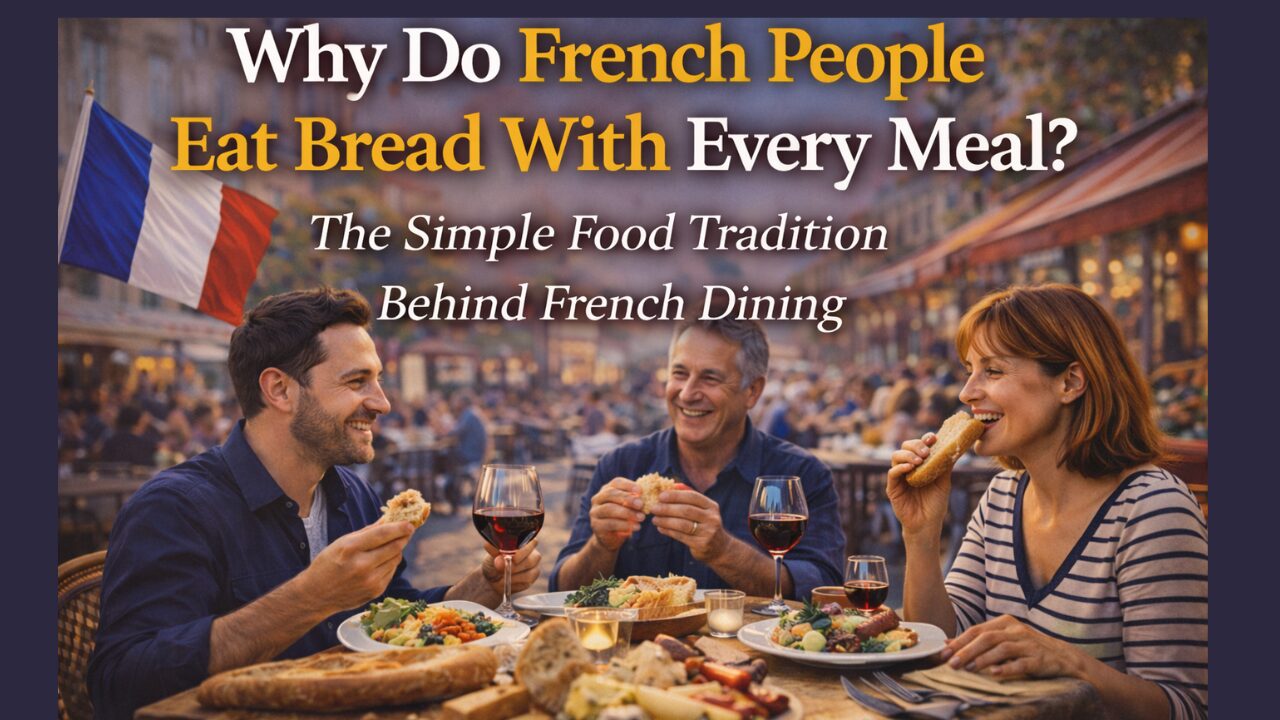
Bread holds a symbolic place in French culinary culture. A baguette often accompanies meals, allowing people to complement dishes or soak up sauces. Read more about Why Do French People Eat Bread With Every Meal
Rather than being served with butter as a starter, bread is usually eaten throughout the meal itself. For many French households, picking up fresh bread from the local bakery is part of the daily routine.
Cheese Culture
France is famous for producing hundreds of varieties of cheese, many of which are tied to specific regions and traditions. Cheese is commonly served after the main course before dessert.
Beyond its culinary importance, cheese represents regional heritage and craftsmanship. Each variety reflects the landscape, climate, and agricultural practices of the area where it is produced. Reead more about Why Do French People Love Cheese So Much?
Wine Is Often Part Of French Meals
Another tradition that shapes everyday life in France is the presence of wine at the table. In many households and restaurants, wine is treated as a natural companion to food rather than a separate drink. People often choose wines that complement specific dishes, such as white wine with fish or red wine with meat. This practice reflects the deep connection between French gastronomy and regional wine culture. Over centuries, wine has become more than a beverage in France; it represents heritage, craftsmanship, and the pleasure of sharing meals together.
The Importance Of Café Culture
Now that you understand the social nature of meals, it becomes easier to see why cafés play such an important role in French life. Read about Why Do French People Love Café Culture?
Cafés are more than places to drink coffee. They are social spaces where people meet friends, read newspapers, work on creative projects, or simply observe life around them.
It is common to see people sitting at a café terrace for extended periods with a single drink. Unlike in many fast-paced environments, there is rarely pressure to leave quickly. This relaxed atmosphere reflects a cultural appreciation for slowing down and enjoying everyday moments.
Café culture also encourages conversation. Discussions about art, politics, philosophy, or daily events often take place around small tables in local cafés.
The Simple Tradition Of French Breakfast
Breakfast in France is usually much lighter than many visitors expect. Instead of large savory meals, the morning often begins with a simple combination of bread, butter, jam, and a hot drink such as coffee or hot chocolate.
Many people prepare a tartine, which is a slice of baguette or bread spread with butter and jam. Pastries like croissants or pain au chocolat are popular but are often treated as occasional treats rather than everyday breakfast foods. This simple and relaxed approach to the morning meal reflects the broader French philosophy of enjoying quality ingredients without unnecessary complexity. You can explore this tradition in more detail in our guide What Is A Typical French Breakfast.
French Table Manners And Etiquette
Dining etiquette in France follows specific rules that emphasize respect for others at the table.
For instance, hands are typically kept visible above the table rather than resting in the lap. Bread is placed directly on the tablecloth rather than on a separate plate. Meals usually begin only once everyone has been served. Learn more about Why Are French Table Manners So Strict?
These customs reinforce the idea that meals are shared experiences where courtesy and harmony matter.
Understanding these rules is especially helpful for visitors because table manners often reveal deeper cultural expectations about politeness and social awareness.
National Celebrations And Cultural Festivals
In addition to everyday habits, French culture is also expressed through national celebrations and seasonal festivals that bring communities together.
One of the most important national celebrations is Bastille Day, observed on July 14. The holiday commemorates a historic turning point associated with the birth of modern French democracy. Across the country people gather for fireworks, concerts, and public celebrations.
Another beloved tradition occurs during Epiphany, when families share a cake known as galette des rois. Hidden inside the cake is a small figurine, and whoever finds it becomes the king or queen for the day.
These celebrations illustrate how cultural rituals continue to unite communities and preserve historical memory.
French Lifestyle Habits That Shape Everyday Life
Beyond formal customs and celebrations, daily habits reveal some of the most interesting aspects of French culture. These lifestyle traditions influence how people organize their time, interact with others, and enjoy their surroundings.
Walking As A Way Of Life
One noticeable habit in France is the amount of walking people do. Many towns and cities are designed in ways that encourage movement on foot. Local bakeries, markets, cafés, and small shops are often located within walking distance of residential neighborhoods. Learn more about Why Do French People Walk Everywhere?
Because of this urban design, everyday errands frequently involve walking rather than driving. People walk to pick up fresh bread, buy vegetables at local markets, or meet friends at nearby cafés. This habit not only promotes a healthier lifestyle but also strengthens social interaction within communities.
Walking also allows people to experience their environment more closely. Streets, plazas, and public spaces become places where neighbors greet each other and daily life unfolds naturally.
The Importance Of The Lunch Break
Another cultural habit that often surprises visitors is the importance of lunch. In many parts of France, lunch is treated as a proper meal rather than a quick snack. Lean More about Why Do French People Take Long Lunch Breaks
While modern work schedules have shortened lunch breaks in some industries, the tradition of sitting down for a real meal remains strong. Restaurants often offer midday menus designed for workers who want a balanced meal during the day.
This habit reflects a broader cultural philosophy: meals deserve time and attention, and eating should not be rushed whenever possible.
Enjoying Public Spaces
French cities are filled with parks, squares, gardens, and promenades. These public spaces play an important role in daily life.
People gather in parks to read, relax, or spend time with friends. Families often bring children to playgrounds while adults enjoy conversations on nearby benches. Public spaces become places where the rhythm of city life slows down.
This tradition reinforces the idea that social life extends beyond private homes. Community spaces allow people to share experiences and feel connected to their surroundings.
Regional Traditions Across France
Although France is often viewed as culturally unified, the country contains a remarkable diversity of regional traditions. Each region has its own culinary specialties, festivals, and cultural practices shaped by geography and history.
Provence And Mediterranean Influence
In southern France, the region of Provence reflects strong Mediterranean influences. Local traditions often revolve around outdoor markets, olive oil, herbs, and sunny coastal landscapes.
Village festivals, open-air markets, and seasonal celebrations highlight the importance of community gatherings in this region.
Brittany And Celtic Heritage
In western France, Brittany maintains a distinct cultural identity influenced by Celtic traditions. Music, dance, and regional cuisine play important roles in local celebrations.
Traditional festivals often feature folk music and community dances that preserve centuries-old cultural heritage.
Alsace And Its Unique Traditions
In eastern France, the region of Alsace blends French and German cultural influences. This combination appears in local architecture, cuisine, and seasonal celebrations.
Alsace is especially famous for its Christmas markets, where towns transform into festive villages filled with lights, decorations, and traditional foods during the holiday season.
Basque Culture In The Southwest
The Basque region in southwestern France also maintains strong cultural traditions. Local festivals, distinctive cuisine, and traditional sports highlight the region’s unique identity.
These regional differences demonstrate how French culture contains many local variations that contribute to its richness.
French Fashion And Everyday Style
France is widely associated with fashion, but the concept of style extends beyond luxury brands and runway shows. Everyday clothing choices often reflect cultural values related to simplicity, quality, and elegance.
Many French people prefer timeless garments that fit well rather than following fast-changing trends. Neutral colors, well-tailored clothing, and carefully chosen accessories create a polished appearance without excessive effort.
This approach to fashion reflects a cultural appreciation for balance. Instead of focusing on extravagance, style often emphasizes refinement and subtlety.
Fashion also plays a symbolic role in French culture because appearance is considered a form of self-expression. Dressing well is not only about aesthetics but also about respecting social environments and presenting oneself with confidence.
French Art And Creative Expression
Art has long been an essential element of French cultural identity. Museums, galleries, and public monuments reflect centuries of artistic innovation.
Cities such as Paris contain some of the most famous art collections in the world, attracting millions of visitors each year. However, artistic creativity is not limited to museums. Street art, independent galleries, and cultural festivals continue to shape contemporary artistic expression.
Public appreciation for art is also visible in everyday life. Sculptures, murals, and historic architecture are integrated into urban spaces, making art accessible to everyone.
Creative expression remains a vital part of how French culture evolves and communicates its identity.
Music And Cultural Performance
Music also plays an important role in French cultural life. Traditional musical styles, contemporary genres, and international influences combine to create a diverse musical landscape.
Classical music has long held an important place in French artistic history, with orchestras and opera houses performing throughout the country. At the same time, modern musical styles such as pop, jazz, and electronic music have gained international recognition.
Music festivals and live performances are common across France, particularly during the summer months. These events bring communities together and celebrate the country’s vibrant artistic spirit.
French Cinema And Storytelling
Cinema occupies a special place in French culture. France played a pioneering role in the development of film, and storytelling through cinema continues to be highly valued.
French films often emphasize artistic creativity and character-driven narratives rather than relying solely on spectacle. Film festivals held across the country celebrate both national and international productions, highlighting the importance of cinema as a cultural art form.
Watching films, discussing directors, and appreciating cinematic storytelling remain common cultural interests.
Intellectual Conversation And Debate
Another defining aspect of French culture is the importance placed on ideas and intellectual discussion.
Conversations frequently extend beyond casual topics into deeper discussions about philosophy, literature, politics, and culture. Cafés, dinner tables, and public forums often become spaces for thoughtful debate.
This tradition reflects a long-standing appreciation for critical thinking and intellectual curiosity. Expressing opinions, exchanging perspectives, and challenging ideas are often seen as signs of engagement rather than conflict.
Because of this cultural tradition, dialogue and debate play an important role in shaping public discourse.
French Family Traditions And Social Life
Family plays a central role in French culture. While lifestyles have evolved over time, family gatherings, shared meals, and celebrations remain deeply valued traditions.
Many families prioritize spending time together during weekends or holidays. Sunday lunches are particularly important. It is common for several generations to gather around the table for a long meal that may last several hours.
These meals are not simply about eating. They provide opportunities for conversation, storytelling, and maintaining family bonds. Children grow up learning table manners, cultural values, and social etiquette through these shared moments.
Family traditions also extend to holidays and seasonal celebrations. Birthdays, national holidays, and religious events often involve extended family gatherings, reinforcing the strong sense of connection between relatives.
French Wedding Traditions
Weddings in France reflect a blend of tradition, celebration, and legal formality.
One distinctive aspect of French weddings is that the civil ceremony at the town hall is legally required before any religious ceremony can take place. This civil wedding is conducted by the mayor or a municipal official and represents the official union recognized by the state.
After the ceremony, celebrations typically continue with a reception that includes a meal, music, and dancing. French wedding meals are often elaborate and can last many hours, reflecting the cultural importance of food and social gatherings.
Certain playful traditions may also occur during the celebration. Guests sometimes participate in humorous games or symbolic rituals designed to create memorable moments for the newly married couple.
Overall, French weddings combine formal procedures with joyful social traditions.
French Holiday Traditions Throughout The Year
Throughout the year, France celebrates numerous holidays and festivals that reflect both historical events and seasonal traditions.
Christmas Celebrations
Christmas is one of the most cherished holidays in France. Families gather on Christmas Eve or Christmas Day for a festive meal known as le réveillon.
This meal may include several courses such as seafood, roasted meats, cheese, and desserts. One famous holiday dessert is the Yule log cake, traditionally decorated to resemble a wooden log.
Many towns also host Christmas markets during the holiday season. These markets feature handmade crafts, seasonal foods, and festive decorations that create a warm atmosphere throughout the winter.
Epiphany And The Galette Des Rois
Early in January, families celebrate Epiphany with the traditional galette des rois. Inside the cake is a small figurine hidden in one slice.
Whoever finds the figurine becomes the king or queen of the day and wears a paper crown. This lighthearted tradition is especially popular among children.
May Day And Lily Of The Valley
On May 1st, people often give small bouquets of lily of the valley as a symbol of good luck and happiness. Vendors sell these flowers throughout cities and towns on that day.
The tradition reflects the French appreciation for symbolic gestures and seasonal rituals.
Bastille Day Celebrations
One of the most important national holidays is Bastille Day, celebrated on July 14. The day commemorates a historic event that marked a turning point in the nation’s history.
Across the country, fireworks displays, concerts, parades, and public gatherings take place. Many communities organize evening dances and local celebrations that bring residents together.
French Work-Life Balance Culture
Another cultural aspect that often attracts international attention is the French approach to balancing work and personal life.
Many people value leisure time, vacations, and family activities as essential parts of a fulfilling life. Annual vacations are considered important opportunities to relax and reconnect with family or explore different regions of the country.
Weekends are often reserved for social activities, outdoor walks, markets, or cultural events. This emphasis on balance reflects a cultural philosophy that well-being depends on enjoying life beyond professional responsibilities.
Rather than measuring success solely through productivity, French culture often highlights the importance of quality of life.
Cultural Rules Visitors Often Break
Visitors sometimes unintentionally ignore certain cultural expectations simply because they are unfamiliar with them.
One common mistake is failing to greet people properly. Entering a shop or speaking to someone without saying bonjour can appear impolite.
Another misunderstanding involves dining behavior. In France, meals are meant to be enjoyed slowly. Eating too quickly or asking for the bill immediately after finishing a meal can seem unusual.
Dress codes also play a role in cultural perception. While France is not overly formal, people often appreciate clothing that appears neat and thoughtfully chosen.
Learning these social expectations can make interactions much smoother and more enjoyable.
Why French Traditions Continue To Fascinate The World
French traditions have captured global attention for centuries because they reflect a distinctive approach to living.
Many customs emphasize appreciation for beauty, conversation, and shared experiences. From long meals with friends to relaxed afternoons in cafés, everyday life in France often centers on meaningful human interaction.
These cultural habits remind people to slow down, enjoy the present moment, and maintain strong social connections.
In a fast-moving world where many societies focus heavily on efficiency, the French approach to life offers a different perspective. It highlights the importance of balance, culture, and community.
How Understanding French Culture Improves Language Learning
For anyone learning French, cultural knowledge can dramatically improve communication.
Language is closely connected to cultural habits. Expressions such as bonjour, la bise, or galette des rois carry meanings that extend beyond vocabulary.
When learners understand the traditions behind these expressions, conversations feel more natural and authentic. Cultural awareness helps avoid misunderstandings and builds stronger connections with native speakers.
Learning French therefore involves more than grammar or pronunciation. It also requires understanding the customs and social expectations that shape communication.
Exploring More French Cultural Traditions
Now that you have discovered the foundations of French culture, you can explore many individual traditions in greater detail.
You may want to learn more about topics such as:
• Why French people greet with cheek kisses
• Why saying bonjour is considered essential politeness
• Why meals are long and social experiences
• Why cafés play such a central role in daily life
• Why certain national holidays hold deep cultural meaning
Each of these traditions reveals another layer of the cultural values that shape life in France.
The Lasting Influence Of French Traditions
French traditions and customs are not simply historical rituals preserved in museums. They remain active parts of everyday life that continue to influence how people interact, celebrate, and express themselves.
From greeting someone politely to sharing a long meal with family, these customs reflect a cultural philosophy centered on respect, conversation, and appreciation for life’s simple pleasures.
Once you begin to recognize these traditions, you start to see the rhythm of French life more clearly. It is a rhythm shaped by history, culture, and a deep appreciation for meaningful human connections.
French Cultural Values That Shape Everyday Life
Behind every French tradition lies a deeper cultural philosophy. Many everyday customs in France are guided by values that emphasize respect, intellectual curiosity, and appreciation for life’s simple pleasures.
One important value is respect for social interaction. Greeting someone politely, addressing people properly, and maintaining courteous behavior in public spaces are considered essential parts of everyday life. These habits reflect a belief that social harmony begins with small gestures of respect.
Another important cultural value is the appreciation of conversation. Discussions around meals or in cafés often go beyond casual topics. People frequently exchange ideas about culture, literature, politics, and philosophy. Expressing opinions and engaging in thoughtful debate is often seen as a sign of intellectual curiosity.
French culture also emphasizes quality of life. Rather than focusing solely on productivity, many people prioritize experiences that bring enjoyment and balance. Spending time with friends, walking through markets, enjoying meals slowly, and participating in cultural events are all considered meaningful parts of life.
These values help explain why French traditions continue to shape daily routines and social interactions across the country.
Cultural Differences Visitors Notice First
Visitors to France often notice several cultural differences almost immediately. These differences are not signs of strict rules but reflections of long-standing traditions.
One of the first things visitors notice is the importance of greetings. Saying bonjour before starting a conversation is considered basic politeness. Skipping this step may appear abrupt even if it is not intended to be rude.
Another noticeable difference is the rhythm of meals. In France, meals are social experiences rather than quick necessities. Restaurants rarely rush customers, and meals often last much longer than visitors expect.
Many travelers also observe the emphasis placed on appearance. While fashion trends change, people often prefer clothing that appears neat and thoughtfully chosen.
Public behavior can also feel different. Conversations in public spaces are usually calm, and people tend to respect personal space and quiet environments.
Recognizing these cultural differences helps visitors navigate social situations more comfortably and appreciate the traditions that shape daily life.
Common French Traditions Explained
If you are interested in exploring French culture further, several traditions deserve deeper attention. Each of these cultural habits reveals another layer of everyday life in France.
You may want to explore topics such as:
• Why French people greet friends and family with cheek kisses
• Why saying bonjour is an essential rule of politeness
• Why meals in France are often long social experiences
• Why cafés play such an important role in daily life
• Why bread is considered an essential part of most meals
• Why certain national holidays bring communities together
Each of these traditions reflects the social values and cultural practices that shape French society.
Frequently Asked Questions About French Traditions And Customs
What are the most common French traditions?
Some of the most well-known French traditions include greeting people with cheek kisses, saying bonjour before conversations, sharing long meals with family or friends, celebrating national holidays such as Bastille Day, and enjoying time in cafés or public spaces.
Why do French people greet with cheek kisses?
The cheek kiss greeting, known as la bise, is a traditional way of showing familiarity and friendliness among friends and family. The number of kisses exchanged can vary depending on the region.
Why is saying bonjour so important in France?
Saying bonjour is considered a basic form of politeness. Greeting someone before asking a question or requesting help acknowledges the person and shows respect.
Why are meals in France so long?
Meals are viewed as social experiences rather than quick tasks. People often use mealtime as an opportunity to talk, relax, and enjoy food slowly.
What holidays are important in French culture?
Several holidays hold cultural importance in France, including Bastille Day, Christmas celebrations, Epiphany, and May Day.
Why are cafés important in French culture?
Cafés serve as social spaces where people meet friends, read, work, or observe daily life. They encourage conversation and relaxation.
How do regional traditions differ in France?
Each region of France has unique traditions shaped by history, geography, and local culture. These differences appear in food, festivals, architecture, and music.
Why do French people value work-life balance?
French culture often emphasizes enjoying life outside of work. Vacations, leisure activities, and time spent with family or friends are considered essential for well-being.
The Enduring Influence Of French Traditions
French traditions and customs remain an essential part of daily life. From greeting someone properly to sharing long meals or celebrating seasonal holidays, these practices reflect values that emphasize respect, conversation, and community.
Although society continues to evolve, many of these customs remain deeply rooted in French culture. They connect modern life with centuries of history and help preserve a shared cultural identity.
Understanding these traditions provides valuable insight into how French society functions. More importantly, it reveals the rhythm of a culture that places great importance on human connection, thoughtful conversation, and appreciation for life’s meaningful moments.