

How To Make A Perfect French Omelette (The Classic 5-Minute Technique Chefs Use)
Have you ever wondered “How To Make A Perfect French Omelette” and why the omelettes served in French cafés taste unbelievably soft and creamy while homemade ones often turn dry or browned? The secret isn’t complicated ingredients. It’s technique. Once you understand how to make a perfect French omelette, you’ll realize it’s all about timing, gentle heat, and a simple method professional chefs have used for decades.
Now that you know what to expect, let’s break down exactly how this classic dish works.
What Makes A French Omelette Different From A Regular Omelette
Before cooking, it helps to understand why the French omelette is considered special. Unlike the typical omelette many people make at home, the French version focuses on texture and simplicity.
A traditional French omelette is:
- Soft and creamy inside
- Smooth and pale on the outside
- Light yellow with no browning
- Folded or rolled rather than stuffed heavily
In contrast, American-style omelettes are usually cooked longer and filled with many ingredients such as cheese, vegetables, or meats. The French approach keeps things simple so the eggs remain the star of the dish.
That brings us to the ingredients you actually need.
Ingredients You Need To Make A Perfect French Omelette
One of the reasons the French omelette is so popular is because it requires only a few ingredients. However, quality matters since every flavor becomes noticeable.
You will need:
- 3 large eggs
- 1 tablespoon unsalted butter
- A pinch of salt
- Optional fresh herbs such as chives or parsley
In short, the fewer ingredients you use, the more important their quality becomes. Fresh eggs and good butter make a big difference in flavor.
Kitchen Tools That Help You Get The Best Results
The technique is simple, but the right tools make everything easier. Professional chefs often rely on very basic equipment.
The most helpful tools include:
- An 8-inch or 9-inch nonstick skillet
- A silicone or rubber spatula
- A mixing bowl
- A whisk or fork
Most importantly, use a nonstick pan. French omelettes are delicate, and a smooth pan surface prevents the eggs from sticking while folding.
Now that everything is ready, it’s time to cook.
Step-By-Step Guide: How To Make A Perfect French Omelette
Making a French omelette takes only a few minutes once you understand the technique. The key is controlling heat and timing.
Step 1 – Whisk The Eggs Properly
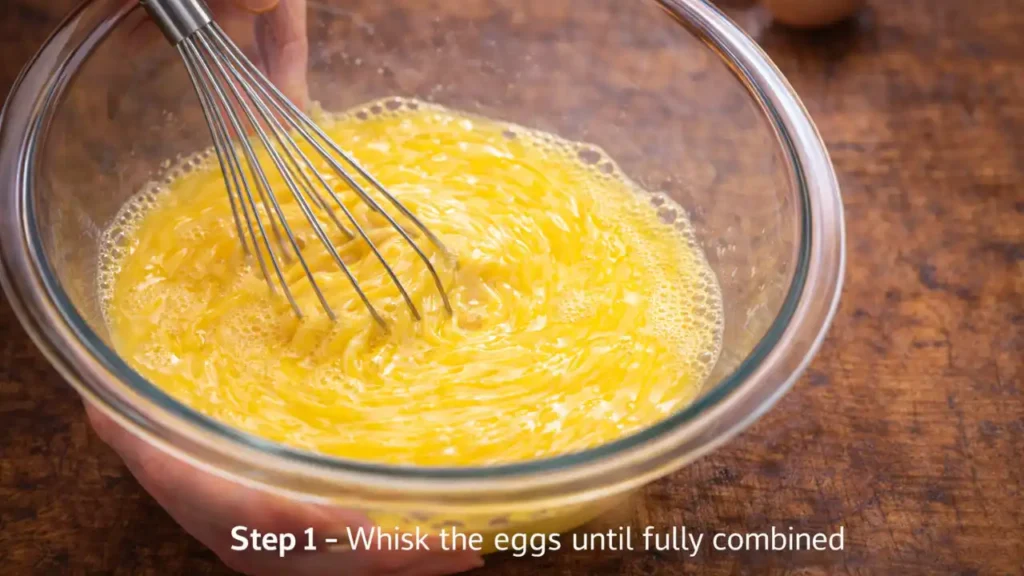
Crack three eggs into a bowl and add a pinch of salt. Then whisk them until the yolks and whites are fully combined.
The mixture should look smooth and slightly foamy. Proper whisking helps the omelette cook evenly.
Step 2 – Heat The Pan And Melt The Butter
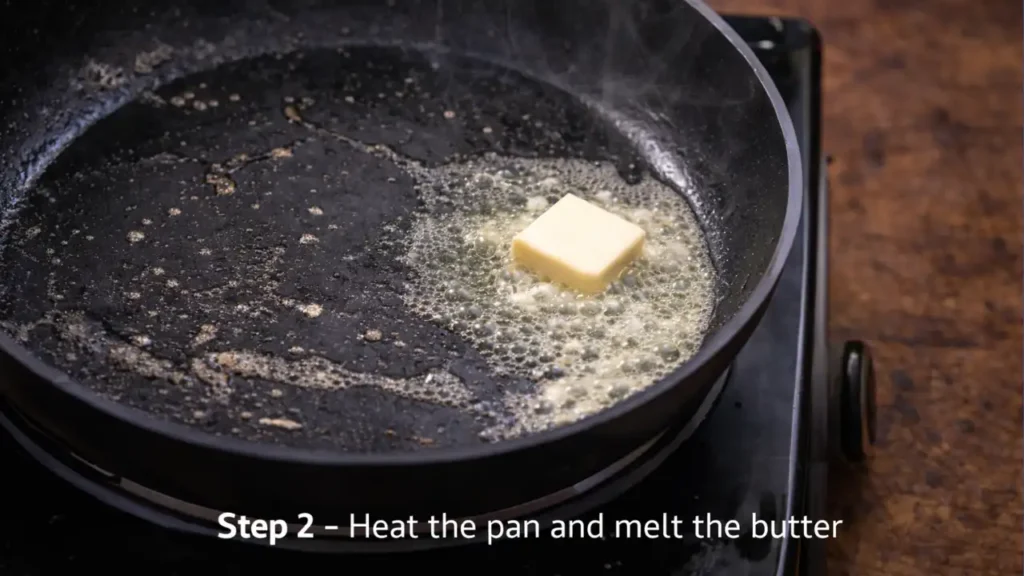
Next, place your nonstick skillet over medium-low heat. Add the butter and allow it to melt slowly.
The butter should foam gently but never turn brown. If it starts browning, the pan is too hot.
Step 3 – Pour In The Eggs And Start Stirring
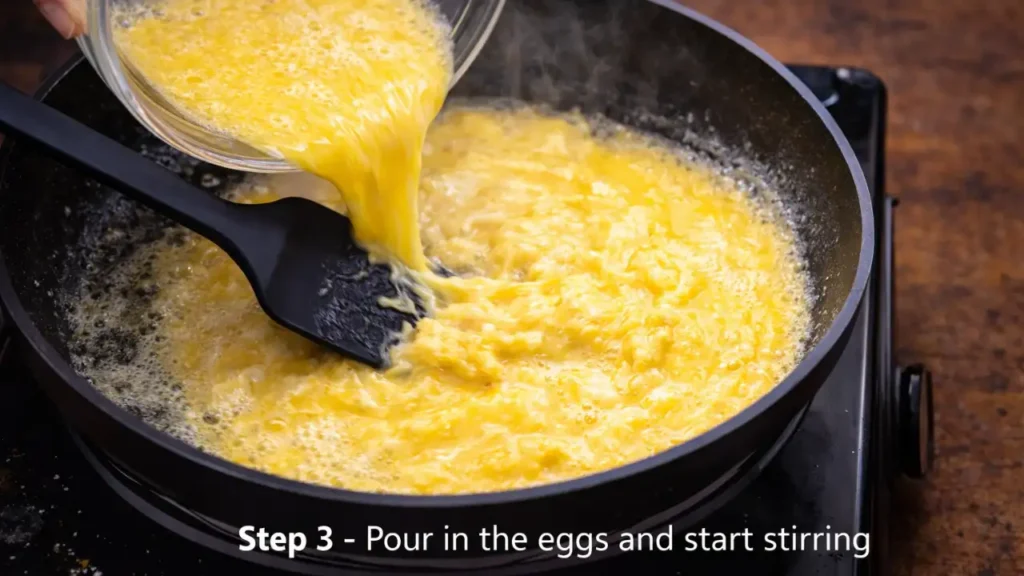
Once the butter has melted, pour the eggs into the pan. Immediately begin stirring with your spatula while gently shaking the pan.
This movement helps create small, soft egg curds, which are essential for the creamy texture.
Step 4 – Keep The Eggs Moving
For the first 20–30 seconds, continue stirring while moving the pan. This technique prevents the eggs from forming large curds.
As a result, the omelette develops the smooth interior texture French chefs aim for.
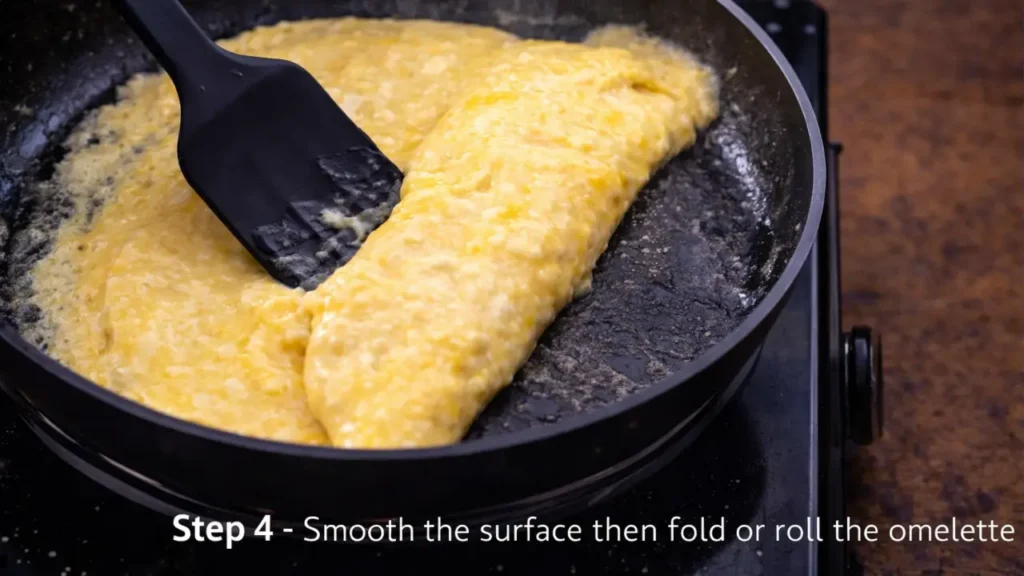
Step 5 – Smooth The Surface
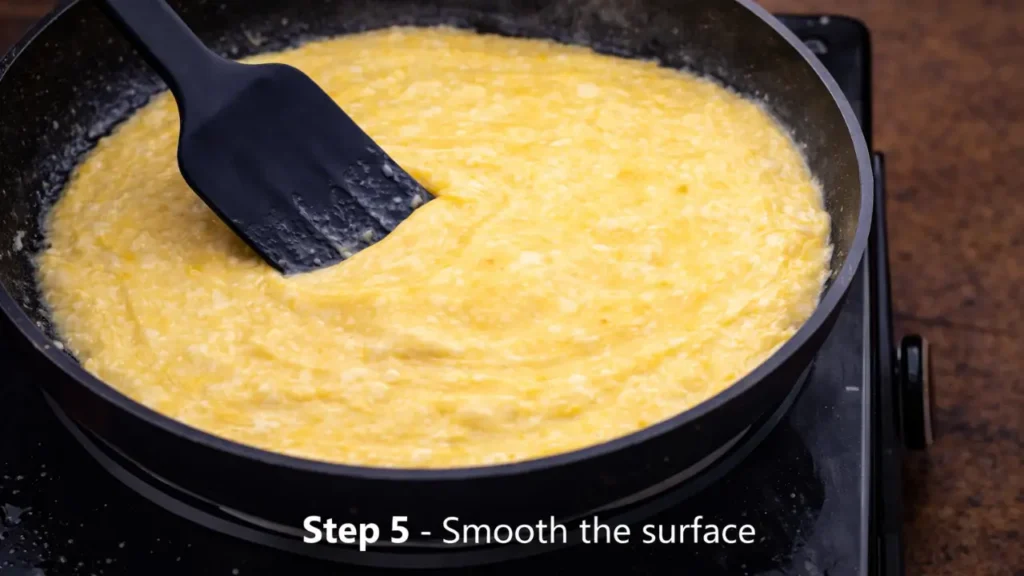
When the eggs begin to set but still appear slightly creamy, stop stirring.
At this point, gently spread the eggs across the pan to create a smooth surface.
Step 6 – Fold Or Roll The Omelette
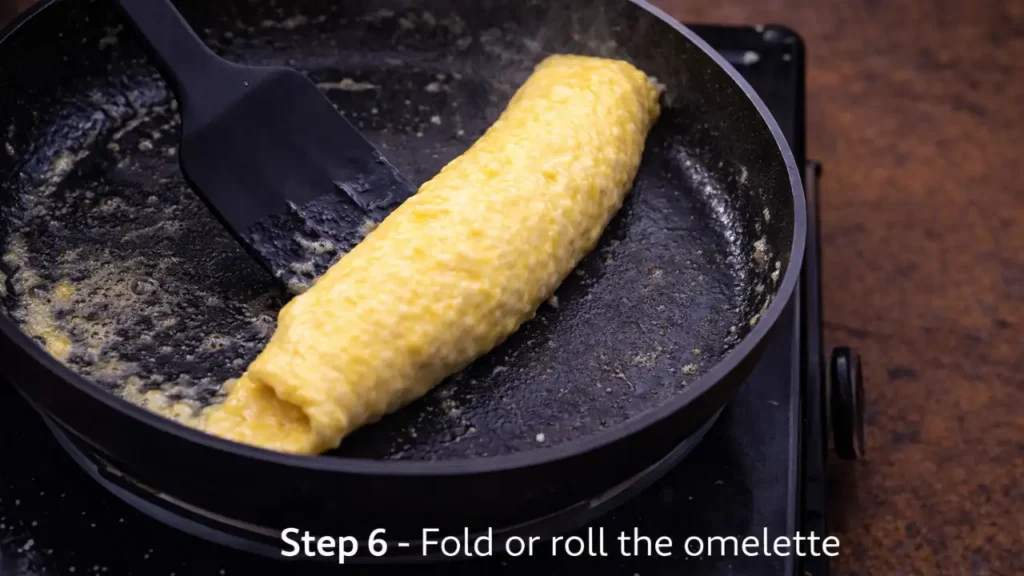
Tilt the pan slightly away from you. Then use the spatula to fold or roll the omelette toward the center.
Most French chefs prefer a rolled oval shape because it creates the classic presentation.
Step 7 – Slide The Omelette Onto A Plate
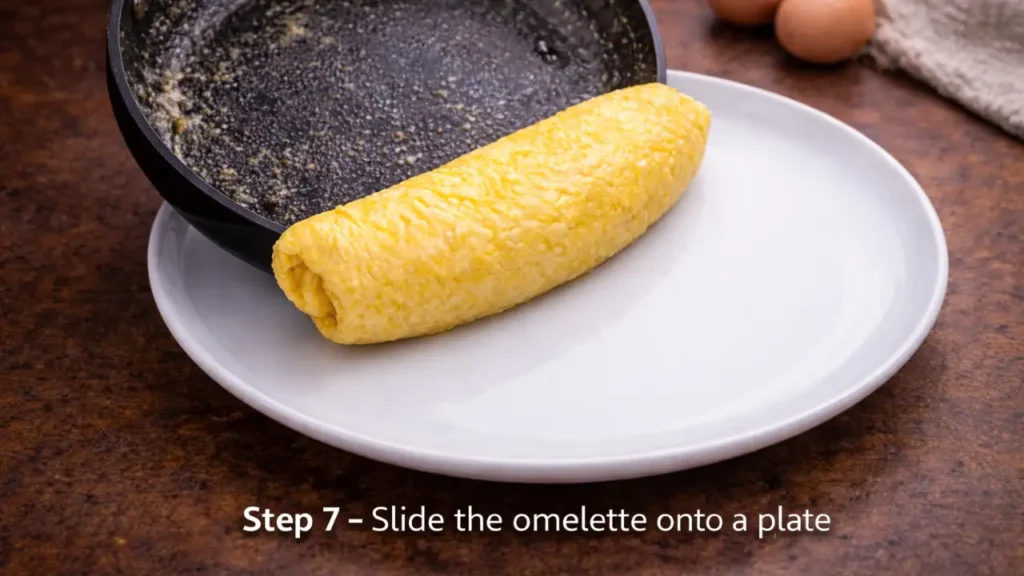
Finally, slide the omelette onto a plate seam-side down. The remaining heat will finish cooking the center.
The entire cooking process should take about five minutes.
The 5-Minute Technique Professional Chefs Use
Many people assume French omelettes are difficult, but chefs rely on just a few simple principles.
First, they control the heat carefully. Cooking at a gentle temperature keeps the eggs tender.
Second, they keep the eggs moving at the beginning. Stirring prevents large curds from forming and creates a creamy texture.
Finally, chefs stop cooking slightly early. The omelette should still appear a little soft when it leaves the pan because residual heat finishes the cooking process.
In short, mastering these three steps is what separates a perfect omelette from an ordinary one.
Common Mistakes That Ruin A French Omelette
Even though the recipe is simple, a few common mistakes can affect the final result.
Here are some issues to avoid:
- Cooking on high heat
- Allowing butter to brown
- Overcooking the eggs
- Adding too many fillings
When too many ingredients are added, the omelette becomes heavy and difficult to fold. Keeping the recipe simple usually produces the best texture.
Optional Fillings For A French Omelette
Although traditional French omelettes are often plain, light fillings can still work well when used carefully.
Popular options include:
- Fresh chives or parsley
- Grated Gruyère cheese
- Sautéed mushrooms
- Cooked spinach
However, moderation is key. Too many fillings will hide the delicate flavor of the eggs.
Tips For Making The Omelette Extra Creamy
If you want an even softer texture, a few small tricks can help.
Some chefs add a tiny cube of butter directly to the whisked eggs before cooking. This enriches the flavor and helps create a silky texture.
Another important tip is to cook on gentle heat. High heat cooks eggs too quickly and makes them rubbery.
Most importantly, remove the omelette from the pan while it still looks slightly soft. The residual heat will complete the cooking process.
With practice, recognizing this moment becomes much easier.
How To Serve A French Omelette
A French omelette is best served immediately after cooking. Because the eggs are delicate, waiting too long can change the texture.
Common side dishes include:
- Toasted baguette
- A simple green salad
- Roasted potatoes
- Fresh herbs sprinkled on top
These sides complement the omelette without overpowering its flavor.
French Omelette Vs American Omelette
At this point, you might wonder how the French omelette compares with the American version.
The French omelette is smooth, pale, and slightly creamy inside. It is folded or rolled with minimal fillings.
The American omelette, on the other hand, is usually cooked longer until browned and filled with larger amounts of ingredients such as cheese, ham, peppers, or onions.
Both styles are delicious, but the French omelette highlights technique and simplicity.
FAQs
What Is A French Omelette?
A French omelette is a soft, creamy egg dish cooked gently in butter and folded into a smooth oval shape. Unlike American omelettes, it has no browning and a delicate interior texture. French chefs focus on technique rather than fillings. The result is a silky omelette with tiny curds inside and a smooth pale-yellow exterior.
How Is A French Omelette Different From An American Omelette?
A French omelette is soft, pale, and creamy inside, while an American omelette is usually browned and fully set. French omelettes are stirred constantly during cooking to create tiny curds and a smooth texture. American omelettes are cooked flat and filled with ingredients like cheese, vegetables, or meats before folding.
What Ingredients Do You Need To Make A French Omelette?
You only need three main ingredients to make a classic French omelette:
- Eggs
- Butter
- Salt
Some chefs also add pepper or fresh herbs like chives. However, traditional French cooking emphasizes simplicity, allowing the eggs and butter to create a rich and delicate flavor.
How Many Eggs Are Used In A French Omelette?
Most French chefs use two or three eggs for a single omelette. Three eggs create a thicker and slightly creamier omelette, which is commonly served in restaurants. Two eggs work well for smaller pans. The key is whisking the eggs thoroughly before cooking.
What Type Of Pan Is Best For Making A French Omelette?
A small nonstick skillet is the best pan for making a French omelette. The nonstick surface prevents the delicate eggs from sticking while you stir and fold them. Professional chefs often use an 8-inch pan for a three-egg omelette because it helps create the classic oval shape.
Why Should You Whisk Eggs Thoroughly Before Cooking?
Whisking eggs properly combines the yolks and whites into a smooth mixture. This ensures the omelette cooks evenly and creates the soft texture French chefs aim for. When the eggs are fully blended, the omelette becomes creamy instead of streaky.
Why Is Butter Used Instead Of Oil?
Butter is used because it adds flavor and creates a silky texture. French omelettes rely on gentle heat and butter to produce a smooth surface. Oil lacks the richness butter provides. However, the butter should melt slowly without browning.
What Heat Level Should You Use When Cooking A French Omelette?
Medium-low heat is ideal for cooking a French omelette. High heat cooks the eggs too quickly and causes browning. Gentle heat allows the eggs to set gradually while staying soft and creamy. This slow cooking method is essential for achieving the classic French texture.
Why Do French Chefs Stir The Eggs Constantly?
Stirring the eggs while shaking the pan creates tiny curds inside the omelette. This technique prevents large lumps from forming. As a result, the omelette develops a smooth interior that feels creamy rather than dry.
How Long Does It Take To Make A French Omelette?
A classic French omelette usually takes about five minutes to cook. The process includes whisking the eggs, melting butter, cooking the eggs gently, and folding the omelette. Because the cooking time is short, it is important to prepare all ingredients before starting.
Why Should The Omelette Not Turn Brown?
A proper French omelette should remain pale yellow with no browning. Browning indicates the heat is too high and the eggs are overcooked. The goal is a delicate texture with a smooth surface, which requires gentle cooking.
What Does A Perfect French Omelette Look Like?
A perfect French omelette has a smooth oval shape and a pale yellow color. The surface should appear soft and slightly glossy. Inside, the eggs remain tender and creamy. There should be no browning or crispy edges.
Can You Add Fillings To A French Omelette?
Traditional French omelettes are usually plain or finished with herbs. However, some people add fillings like cheese, mushrooms, or herbs. If you add fillings, they should be placed gently in the center before folding the omelette.
What Herbs Are Commonly Added To A French Omelette?
Fresh herbs such as chives, parsley, or tarragon are commonly used. These herbs add flavor without overpowering the eggs. In French cuisine, a simple herb omelette called omelette aux fines herbes is very popular.
Why Do Chefs Shake The Pan While Cooking?
Shaking the pan helps move the eggs continuously as they cook. Combined with stirring, this motion keeps the eggs from sticking and ensures the curds remain small and creamy.
How Do You Know When The Omelette Is Ready To Fold?
The omelette is ready when the eggs are mostly set but still slightly creamy on top. At this point, you stop stirring and smooth the surface with the spatula. Then the omelette can be folded or rolled.
Should The Inside Of A French Omelette Be Fully Cooked?
No. The inside should remain slightly creamy and soft. The remaining heat finishes cooking the eggs after the omelette is folded and plated. Overcooking removes the delicate texture that defines a French omelette.
Why Do French Chefs Roll The Omelette?
Rolling the omelette creates the classic oval presentation seen in French restaurants. This shape also keeps the inside tender and moist. Rolling is done by gently pushing the omelette forward with a spatula while tilting the pan.
What Is The Secret To A Smooth Omelette Surface?
The secret is stopping the stirring at the right moment. Once the eggs begin to set, the surface is gently smoothed with a spatula. This creates the clean, elegant appearance associated with French omelettes.
Can Beginners Successfully Make A French Omelette?
Yes. Although it looks sophisticated, beginners can learn it quickly with practice. Using a nonstick pan, medium-low heat, and constant stirring makes the technique easier to control.
Why Do Professional Chefs Practice Omelettes Often?
Many culinary schools teach omelette cooking as a fundamental skill. It tests a chef’s control of heat, timing, and technique. A well-made omelette demonstrates precision and attention to detail.
Can You Make A French Omelette Without Butter?
You can substitute oil, but the flavor and texture will change. Butter produces the rich taste and smooth cooking surface French omelettes are known for. For authentic results, butter is strongly recommended.
What Common Mistakes Ruin A French Omelette?
Common mistakes include:
- Using heat that is too high
- Not whisking the eggs enough
- Overcooking the eggs
- Allowing the omelette to brown
Avoiding these mistakes helps create a smooth and creamy omelette.
What Should You Serve With A French Omelette?
A French omelette pairs well with:
- Toasted bread
- Fresh salad
- Roasted potatoes
- Fresh herbs
These simple sides complement the delicate flavor of the eggs.
Why Is The French Omelette Considered A Culinary Classic?
The French omelette represents the elegance of French cooking. It uses only a few ingredients but requires precise technique. Because of its simplicity and refined texture, it remains one of the most respected egg dishes in culinary tradition.
Final Thoughts On Making The Perfect French Omelette
In short, learning how to make a perfect French omelette comes down to mastering a few essential techniques. Whisk the eggs thoroughly, cook them gently, stir them at the beginning, and remove them from the pan before they become dry.
Once you understand the classic five-minute technique chefs use, you’ll realize that this elegant dish is surprisingly easy to prepare. With a little practice, you can create a soft, creamy French omelette at home that feels just as refined as one served in a Parisian café.